





Visibility Politics: Do Famous Queer Women of Color Owe Us?


By Helen McDonald
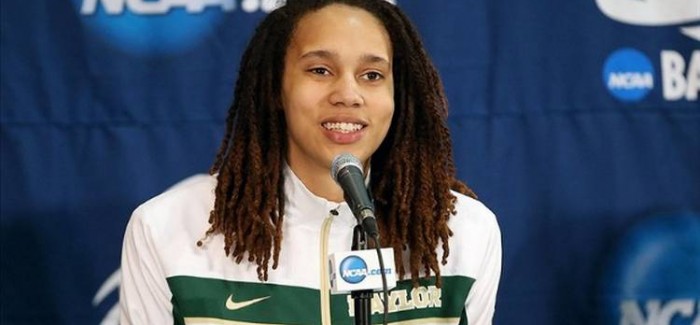
It all started on a sunny day in August, back when my Orange is the New Black addiction was relatively under control, and all the queer womyn went out to play in short skirts and those midriff baring shirts I’m still too self-conscious to wear in public. I had just put the finishing touches on my 368th love letter to Brittney Griner when I logged into every form of social media that I am connected to. I’m used to mind-blowingly strange BuzzFeed posts or deeply thought-provoking Tumblr articles making or breaking my day, but this day, I had no idea how hard my world would be rocked until I saw the now infamous tweet: “I can finally get married! Yay government! So proud of you.”

Yes, Raven Symone finally voiced what those of us with a finely tuned gaydar had sensed for some time—Raven identifies with our beautiful LGBTQ family! By the end of the day, I had finalized our wedding plans; you’re all invited to the ceremony. (Sorry, AzMarie.)
It struck me as interesting, the word choice a lot of tabloids and gossip sites employed. “Raven officially comes out,” they explained, because one’s sexual orientation only becomes legitimate when professed in 140 characters or less on social media. But who’s to say that Raven has not been out all along? She and AzMarie have been reportedly dating for quite some time, and only Raven, and those close to her have enough of an idea of what Raven’s journey with understanding herself has been and still is, can determine how long the actress has been out.
What does it mean when celebrities—particularly celebrities of color—“come out” as queer, bisexual, gay, pansexual, etc.? The more I see QWOC on the big screen, in magazines, and featured prominently in the media, I feel a little more validated and affirmed in my own reality. I see famous QWOC as inspirations and survivors in a world where society commodifies brown and black bodies on a daily basis, violates queer and trans* experiences, and erases disabled, and poor folks from our social narrative. These womyn remind me that I am not a victim; I am a warrior. They are evidence that we, in fact, do own our stories and experiences.
However, famous QWOC do not owe anyone a coming out story. For example, Janelle Monáe’s choice to not label herself is entirely respectable. No individual is better or worse for publicizing their identities. That some artists bulldoze their way out of the closet, while others leave their orientation in a state of NOYDB (aka none of your damn business) is equally admirable.
Coming out is risky business and must be handled with care, whether you are the person coming out, or the person on the other side of the closet. I was disheartened in the days following Raven’s tweet, as I witnessed many white queers offering some opinions on the issue. “That’s so Gayven,” a few mocked via Facebook groups, reminding me that QPOC are expected to exist as the punch-line to a joke we never intended to partake in. If we aren’t shucking and jiving for the big, white, gay movement, we must provide entertainment in other ways. Others questioned Raven’s timing, as if her journey should have fit better on the public’s schedule.
I thank Raven for her statements about her sexuality, issued when and the way that they were, for whatever reasons they were. She has undoubtedly come out for a lot of people who cannot, whether she intended to or not. What I hope that we all remember is that QWOC are not pawns in a game of visibility politics. Our lived experiences must be cherished and honored, especially in moments when we make ourselves most vulnerable.
Helen McDonald is a 20-something college student living off of bad cooking, social justice and a lil snark. She also discusses the intersections of race, gender, and sexuality on her personal blog revolutionaryrainbows.tumblr.com and is a contributing writer at BloodyShrubbery.com.
-
There are so many factors that are involved in coming out, especially for a black woman. Technically it’s like strike three. Black, a Woman, and then, oh no; here comes the Lesbian factor.
As Black Celebrities, who make their living off the funds of their audience, they have to take into count their already limited fan base.
Face it, us black people are very loyal until we’re not.
And whatever moral reason someone has for not coming out is entirely their prerogative. I never did understand why we’re so interested in other people’s personal life.
Submit a Comment


Recent Comments
- In the Spirit of Community Building: 7 Projects You Should Support (1)
 { Thanks ladies for posting this helpful list. We must support each other! } – Jul 30, 10:53 AM
- The Waterhole: The DMV's Latest QWoC Co-Owned Health Spot (1)
 { So exciting! Looking forward to the grand opening. } – Jul 28, 1:34 PM
- Michael Jordan's Daughter Jasmine Jordan Posts Pic with Girlfriend (4)
 { Really!!!!! With all the black on black crime, teenage pregnancies, police brutality going on, THIS is what you're upset about? Love is Love And a... } – Jul 20, 11:07 AM
- New Doc Highlights Discrimination Within the Black Lesbian & Bi Community (6)
 { This is why as women of color, we stay in small groups. Being urself. Around others in the same life, have you judged AND not... } – Jul 20, 10:31 AM
 { This article is really relevant! https://www.academia.edu/7183953/Experiences_of_Femme_Identity_Coming_Out_Invisibility_and_Femmephobia } – Jul 20, 12:09 AM
- Older »



Comments